When Nebraska temperatures drop, a small plumbing oversight can turn into a costly water leak. The best time to protect your pipes is before the first sustained freeze. Here is a practical winter checklist for Lincoln-area homeowners, plus what to do if a faucet suddenly stops running.
Why frozen pipes are a concern in Lincoln
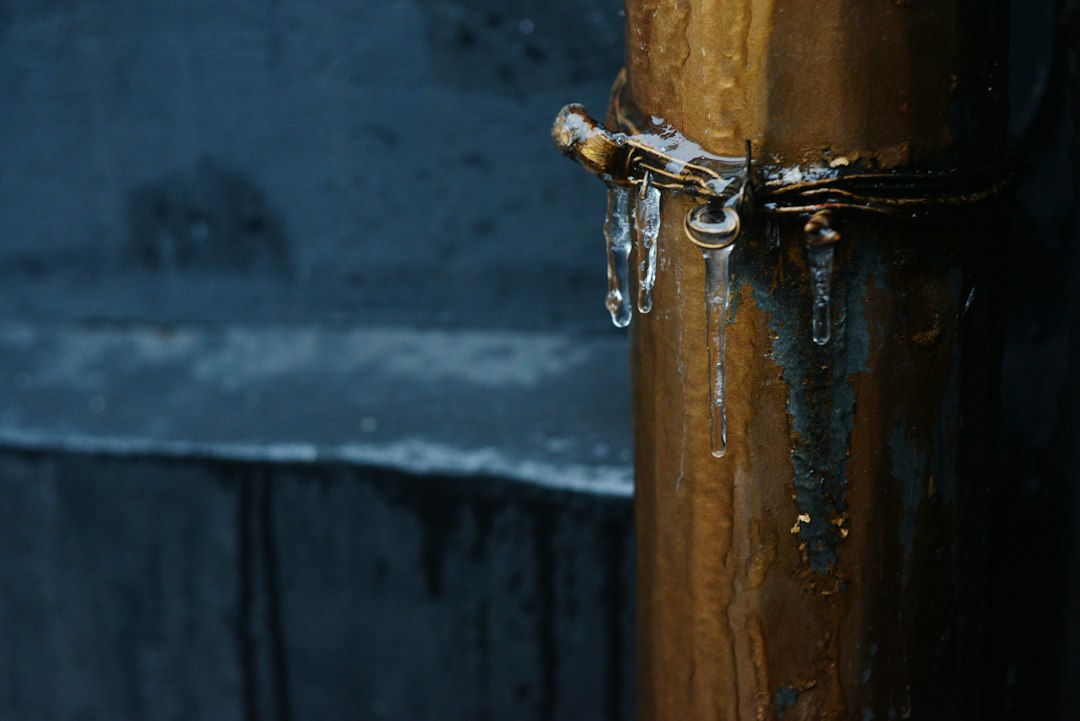
Water expands as it freezes, placing pressure on the pipe around it. That can damage copper, plastic, and other plumbing materials. A pipe may appear fine while it is frozen, only to leak after the ice melts and water pressure returns.
According to Lincoln Water System, pipes are especially vulnerable during extended periods below freezing. Common trouble spots include plumbing near exterior walls, unheated basements and crawl spaces, garages, and openings where cold air reaches a water line.
Your seven-step winter plumbing checklist
1. Disconnect garden hoses and protect outdoor faucets
Remove every hose from its outdoor spigot, drain the hose, and store it. A hose left connected can prevent some frost-free faucets from draining as designed. If your home has a separate indoor shutoff for the outdoor faucet, close it and follow the fixture manufacturer’s instructions for draining the line.
A damaged faucet or an older outdoor setup may need attention before the next cold snap. Learn about our hose bib and farm hydrant plumbing service.
2. Winterize irrigation and sprinkler connections
Water left in an irrigation line or backflow assembly can freeze and damage components. Lincoln Water System identifies improperly winterized irrigation systems as a recurring cold-weather problem. Follow the equipment manufacturer’s winterization procedure and use a qualified provider when the system requires specialized draining or compressed-air work. Do not assume every sprinkler or vacuum-breaker setup is the same.
For plumbing-related connections and backflow-device questions, see our sprinkler and vacuum-breaker plumbing page.
3. Insulate exposed, accessible water lines
Look for pipes in unheated basements, crawl spaces, utility rooms, garages, and other cold areas. Proper pipe insulation can help reduce heat loss. Seal gaps around pipe penetrations and exterior openings that let freezing air blow directly onto plumbing. Never block required combustion air or ventilation openings.
4. Keep warm indoor air moving around vulnerable pipes
Keep areas containing water lines adequately heated, and close garage doors if plumbing runs through the garage. During bitter cold, opening the doors beneath kitchen or bathroom sinks on exterior walls can allow warmer room air to circulate. Move cleaning products out of children’s reach first.
5. Know where the main water shutoff is
Find your home’s main water shutoff before an emergency. In many Lincoln homes it is located near the water meter, but layouts vary. Make sure everyone in the household knows how to access it. If a line bursts, turning the water off promptly can limit additional damage.
6. Adjust your routine during a deep freeze
Keep the thermostat at a steady setting when the weather is extremely cold, rather than making a large overnight temperature setback. If a particular line is at high risk of freezing, a small, steady trickle from the faucet it supplies can help while the cold persists. This uses water and may increase your bill, so treat it as a temporary precaution, not a substitute for proper insulation or repairs.
7. Make a plan before leaving town
Do not shut off the heat while your home is vacant in winter. The American Red Cross recommends keeping the thermostat at 55°F or higher while you are away. For extended absences, ask a qualified plumber whether shutting off and properly draining the household plumbing is appropriate for your home.
How to recognize a possibly frozen pipe
One of the most useful warning signs is little or no water coming from a faucet, especially when other fixtures still work. A sink or shower on an exterior wall may be affected before plumbing deeper inside the house. A sudden loss of flow does not prove freezing, however, so do not force valves or assume the problem is harmless.
Check other fixtures to help identify whether the issue affects one branch or the whole property. If you notice leaking water, water stains, or a split pipe, turn off the main water supply if safe to do so and contact a plumbing professional.
What to do if your pipes freeze
For Lincoln homeowners, Lincoln Water System recommends contacting a licensed plumber to identify the frozen section and avoid damage during thawing. If a pipe is accessible, appears undamaged, and you can safely warm the surrounding room, gentle ambient heat is preferable to trying to thaw it rapidly.
- Never use a torch, open flame, or high-heat device on frozen pipes. Fire and pipe damage are serious risks.
- Do not use electrical appliances near standing water or where they could contact moisture.
- Watch closely for leaks as flow returns. A frozen pipe may leak after thawing even if it did not leak while blocked.
- If you cannot locate the problem, the line is behind a wall, or water is escaping, stop troubleshooting and contact a qualified plumber.
For water coming from a burst line, shut off the main supply if you can reach it safely. Avoid standing water near energized electrical equipment. Arrange professional plumbing repair before restoring the supply.
Common winter plumbing questions
Can a frost-free outdoor faucet still freeze?
Yes. It depends on correct installation, adequate drainage, and the condition of the fixture. Leaving a hose or attachment connected may prevent proper draining.
Should I leave every faucet dripping all winter?
No. Dripping is a temporary, targeted measure for vulnerable lines during extreme cold, not a whole-season replacement for insulation, warmth, or fixing exposed pipes. It also consumes water.
Can I prevent frozen pipes by turning up the heat once they stop flowing?
Warming the surrounding area may help in some situations, but it does not guarantee a safe thaw. A damaged pipe may leak as ice melts. If you suspect a frozen line, the safer choice is to consult a licensed plumber.
What part of the plumbing should I check first?
Start with accessible plumbing at exterior walls, in cabinets, crawl spaces, basements, garages, and near the water meter. Inspect outdoor faucets and irrigation connections before freezing weather arrives.
Trusted winter plumbing resources
This guide is based on homeowner recommendations from Lincoln Water System’s frozen-pipe FAQs, its cold-weather pipe advisory, and the American Red Cross frozen-pipe guide. Conditions vary by property, installation, and plumbing materials.